
2026-08-21 ·
Dealing With Wind-Driven Rain Under Eaves In Point Loma
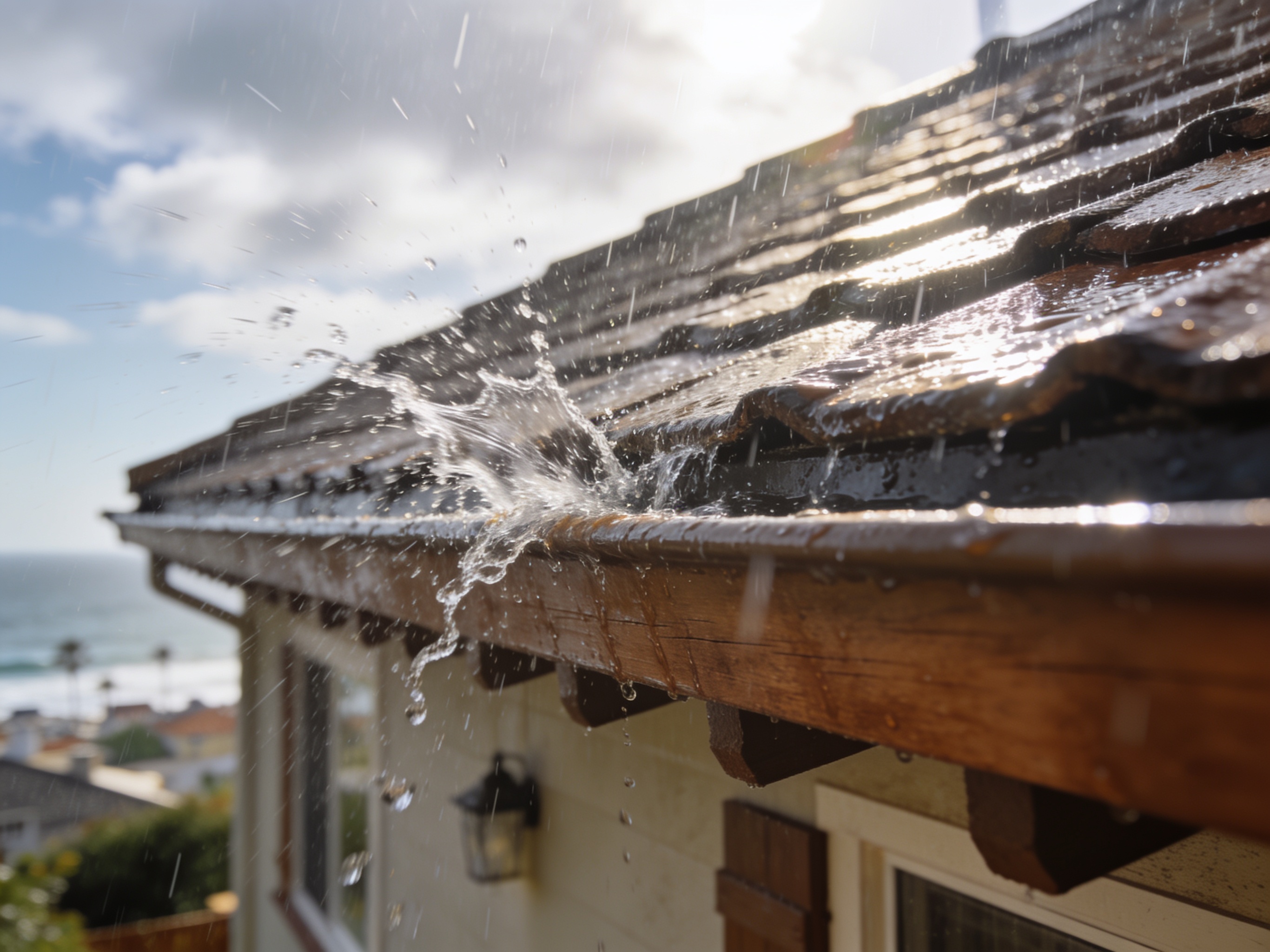
Wind-driven rain under eaves in Point Loma is stopped by extending drip edges 1.5 inches past fascia, sealing soffit vents with 1/4-inch mesh, and replacing damaged flashing at roof-wall junctions. These steps keep water out of the 1920s–1960s wood-frame homes common in the neighborhood while matching the mild Mediterranean climate that still delivers 20–30 mph gusts from the Pacific.
Why Point Loma Eaves Face Extra Wind-Driven Rain
Point Loma sits on a peninsula where open ocean exposure funnels Pacific storms directly into eaves. Unlike inland neighborhoods such as Mission Valley, the area receives angled rain that travels under standard overhangs and soaks fascia boards on homes built before modern drip-edge standards. The same winds that affect nearby Ocean Beach push moisture past 6-inch overhangs on many single-story ranches and two-story stucco houses. Older composition shingles and tile roofs in the area often lack the 2-inch overlap needed at eaves, letting water reach sheathing within a single winter event. Homeowners notice dark streaks on soffits after Santa Ana wind patterns shift, and the damage accelerates when combined with the occasional 0.5-inch rain in an hour that the county records each season.
Signs Wind-Driven Rain Has Reached Your Eaves
Look for water stains on the underside of eaves boards after storms, especially on north- and west-facing walls. Peeling paint or soft wood along the fascia line near La Jolla Cove-style coastal homes signals repeated saturation. Inside the attic, dark spots on rafters above the eaves indicate the leak has moved past the exterior. In Point Loma's older stock, check for mold on insulation within 2 feet of the exterior wall. These signs appear faster here than in protected areas like Downtown San Diego because constant salt air speeds wood decay once moisture enters.
Targeted Repairs for Eave Leaks
Start by removing the outer course of shingles or tiles along the eave and installing new metal drip edge with a 1/2-inch kickout. Replace rotted fascia boards with pressure-treated 2x6 material, then fasten aluminum soffit panels that allow airflow yet block angled rain. Apply self-adhering flashing tape over the joint where the new drip edge meets the roof deck. On tile roofs common in Point Loma, add foam closures at the eave line to stop wind-driven water from sliding under the first row. These repairs tie directly into flashing repair and soffit repair work performed throughout San Diego County.
Prevention Steps That Match Local Conditions
Install ridge vents paired with continuous eave vents sized at 1 square foot per 150 square feet of attic floor to reduce pressure that pulls rain inward. Trim tree branches within 10 feet of the roof edge to limit wind turbulence. Schedule annual inspections each October before the first winter fronts arrive, focusing on the same homes that later need storm damage repair. In neighborhoods such as Pacific Beach and Mission Beach that share Point Loma's wind patterns, adding 3-inch overhang extensions during re-roofing has cut callback rates for eave leaks by keeping water away from the wall line.
When Professional Help Is Required
If stains appear on interior ceilings or insulation feels damp, stop at the inspection stage and call for a full assessment. Crews familiar with Point Loma's hillside lots know how to stage ladders on sloped driveways without damaging tile and how to match existing stucco colors on fascia repairs. The shop at 519 University Ave keeps standard drip-edge profiles and soffit stock on hand for same-week service during the November–March window when most calls occur. Readers dealing with similar wind issues after Santa Ana events can review seasonal leak checks after Santa Ana winds in Scripps Ranch for additional context on regional patterns.