
2026-08-21 ·
Repairing Valley Leaks On Intersecting Roofs In North Park
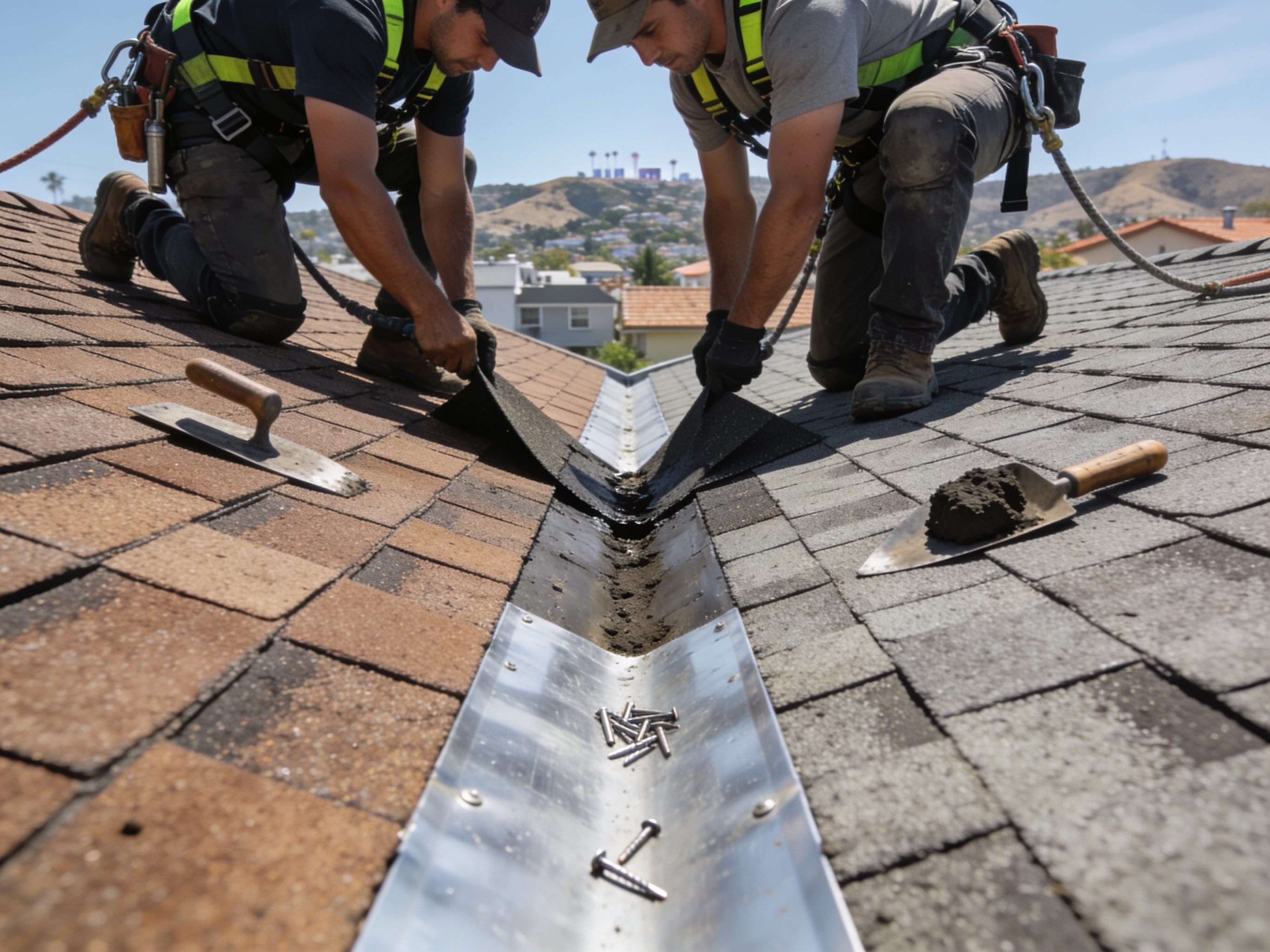
Repairing valley leaks on intersecting roofs in North Park starts with replacing damaged flashing and resealing the intersection, which usually resolves active leaks in one visit when caught early. North Park homes built in the 1920s through 1950s frequently feature complex rooflines from later additions, creating valleys that collect water during the mild Mediterranean rains typical of San Diego County. These intersections trap leaves and sediment more than straight runs, accelerating wear on underlayment and shingles.
Common Causes of Valley Leaks in North Park
North Park's older Craftsman and bungalow stock often has valleys formed where gables meet the main roof plane. Over decades, metal flashing corrodes from repeated moisture exposure even in the county's moderate climate, especially when Santa Ana winds push debris into the channel. Tree cover common along streets near Balboa Park adds organic matter that holds water against the valley metal. Homeowners also see issues after minor roof work by others that disturbs the original flashing alignment. These factors combine to let water migrate under shingles rather than shed cleanly down the valley.
Inspection Steps Before Repair
A thorough check begins at the attic side to locate water stains along the valley rafters, then moves to the roof surface to examine flashing condition and shingle overlap. Look for lifted edges, rust streaks, or gaps where the valley metal meets the roof planes. In North Park, crews also clear accumulated debris first because buildup often masks the true source. Checking nearby penetrations like vents or skylights rules out separate leak paths before opening the valley. This sequence prevents unnecessary work on sound sections of the roof.
Repair Process for Intersecting Valleys
Once the source is confirmed, the existing flashing is removed carefully to avoid tearing adjacent shingles. New step flashing is installed with proper overlap and counter flashing tucked under the shingles on each side. Valley repair services focus on 26-gauge galvanized or copper metal sized to the roof pitch. Sealant is applied only at the top edge of each step to allow expansion, then the shingles are relaid to maintain the original water-shed pattern. The job finishes with a water test from above to verify no migration occurs. Most North Park repairs stay localized to the valley and require no full roof work.
When Leak Detection or Further Work Is Needed
If stains appear in multiple attic locations or water continues after valley work, professional roof leak repair may require electronic leak detection to trace hidden paths. In some North Park cases, intersecting roofs from different eras have mismatched underlayment that needs partial replacement. When to call for leak detection instead of roof replacement in Linda Vista outlines similar decision points that apply here. Homeowners near University Heights often schedule these checks after the first winter rains to catch issues before they reach interior ceilings.
Maintenance Tips for North Park Roofs
Clear valleys twice yearly, especially after fall leaf drop and before the rainy season, using a soft brush rather than pressure washing. Inspect flashing seams each spring for small separations that can be resealed. Keep gutters flowing freely so water does not back up into the valley ends. These steps extend the life of the intersection without major intervention. Owners in nearby Mission Valley and Downtown San Diego report fewer callbacks when they follow the same routine on their own intersecting roofs.