
2026-08-21 ·
How Tree Sap And Debris Cause Leaks In Encanto
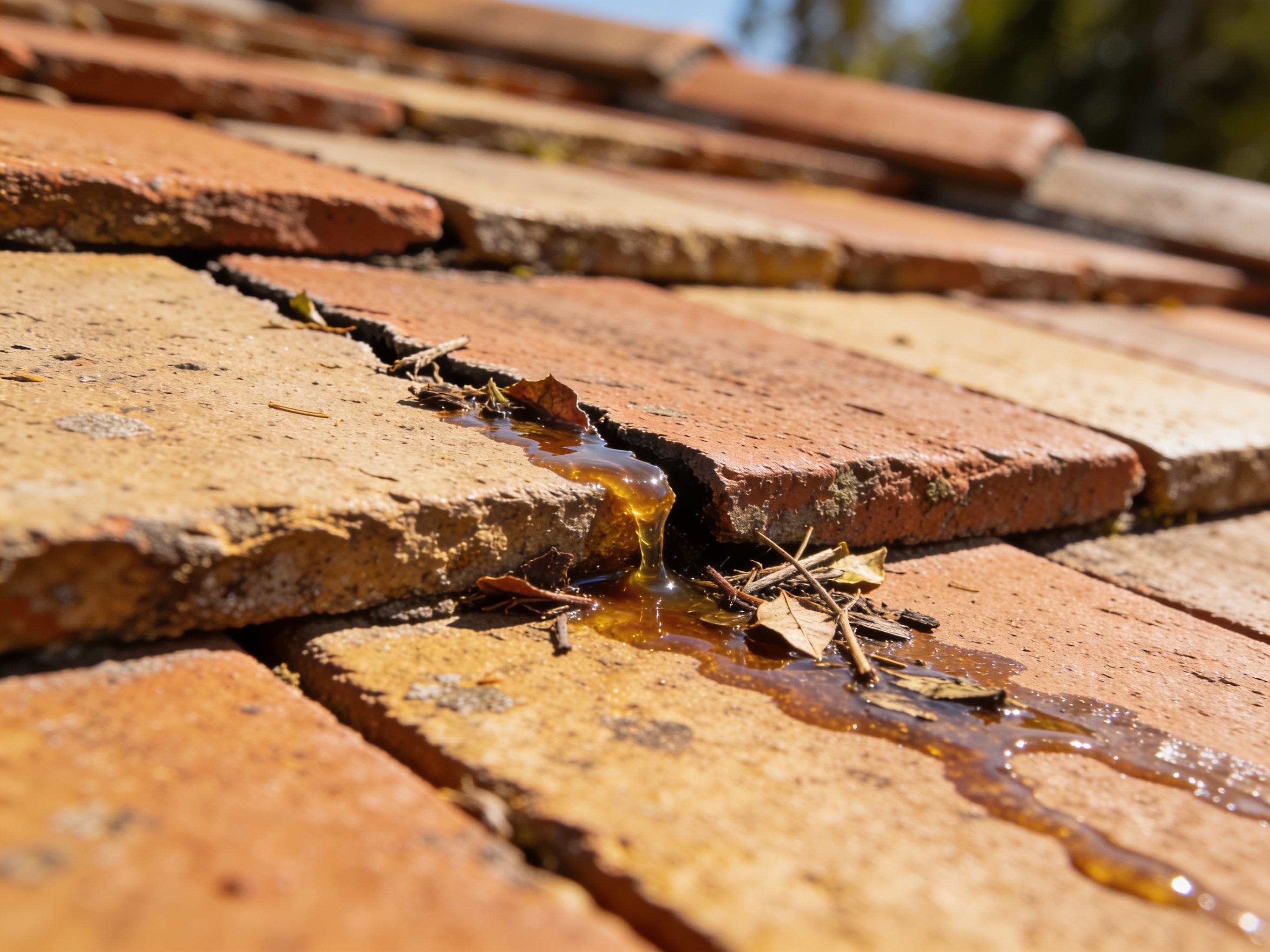
Tree sap and debris from the eucalyptus, jacaranda, and palm trees common in Encanto can create roof leaks in as little as 18–36 months by forming a sticky layer that holds water against shingles and tiles. San Diego's mild coastal Mediterranean climate keeps temperatures steady enough that this residue never fully dries or flakes away, allowing gradual penetration at seams and fasteners.
Sap From Encanto Trees and Roof Surface Breakdown
Encanto's older housing stock, built mostly between the 1920s and 1960s, features composition shingles and some clay tile that already show wear from decades of sun exposure. Sap from overhanging trees lands heaviest in spring when new growth starts, then bakes into a hard film during the long dry periods typical of San Diego County. This film softens again during the occasional winter drizzle, reopening micro-cracks and letting water reach the underlayment. Homeowners near the Encanto canyons see faster buildup because wind funnels debris from the slopes directly onto lower-pitched sections. The result is often hidden until water stains appear on ceilings in the rainy months of December through February.
How Debris Traps Moisture and Starts Leaks
Leaves, needles, and seed pods collect in valleys, around chimneys, and along the base of ridge vents throughout Encanto neighborhoods. Once sap coats this debris, it creates small dams that prevent normal runoff even during light rain. Water sits against flashing and nail heads for days, accelerating rust and sealant failure on homes near 54th Street or Imperial Avenue. In contrast to wind-driven issues seen farther west, Encanto's inland location means less salt but more organic matter that holds humidity close to the decking. Over 3–5 years this cycle lifts shingles at the edges and forces water under tiles, especially where roof slopes change near additions common in the area.
Spotting Early Damage Before Major Repairs
Check for dark streaks running down from tree contact points after any rain, or small piles of grit that stay wet longer than surrounding areas. In Encanto, inspect during late afternoon when low sun highlights texture changes on the surface. Pay attention to gutters that fill faster with sticky clumps in fall; blocked downspouts near La Mesa borders often back water up under the first course of shingles. These signs appear earlier on south-facing slopes because steady sun bakes the sap into a more aggressive adhesive. Regular visual checks from a ladder at the eaves can catch the issue while it remains a surface problem rather than interior damage.
Practical Steps for Encanto Homeowners
Trim branches so they sit at least 6–8 feet above the roof plane to reduce direct drop. Remove accumulated debris by hand or with a soft-bristle tool during the cooler morning hours before sap softens. For existing staining, schedule a targeted leak detection visit that focuses on tree-contact zones rather than a full scan. If water has already reached the underlayment, roof leak repair often involves localized flashing replacement and sealant refresh instead of full replacement. Pair these efforts with the guidance in How Salt Air Corrodes Roofs In La Jolla to understand how different San Diego microclimates affect the same materials.